
Why Choosing the Right Pressure Vessel Matters for Business Success
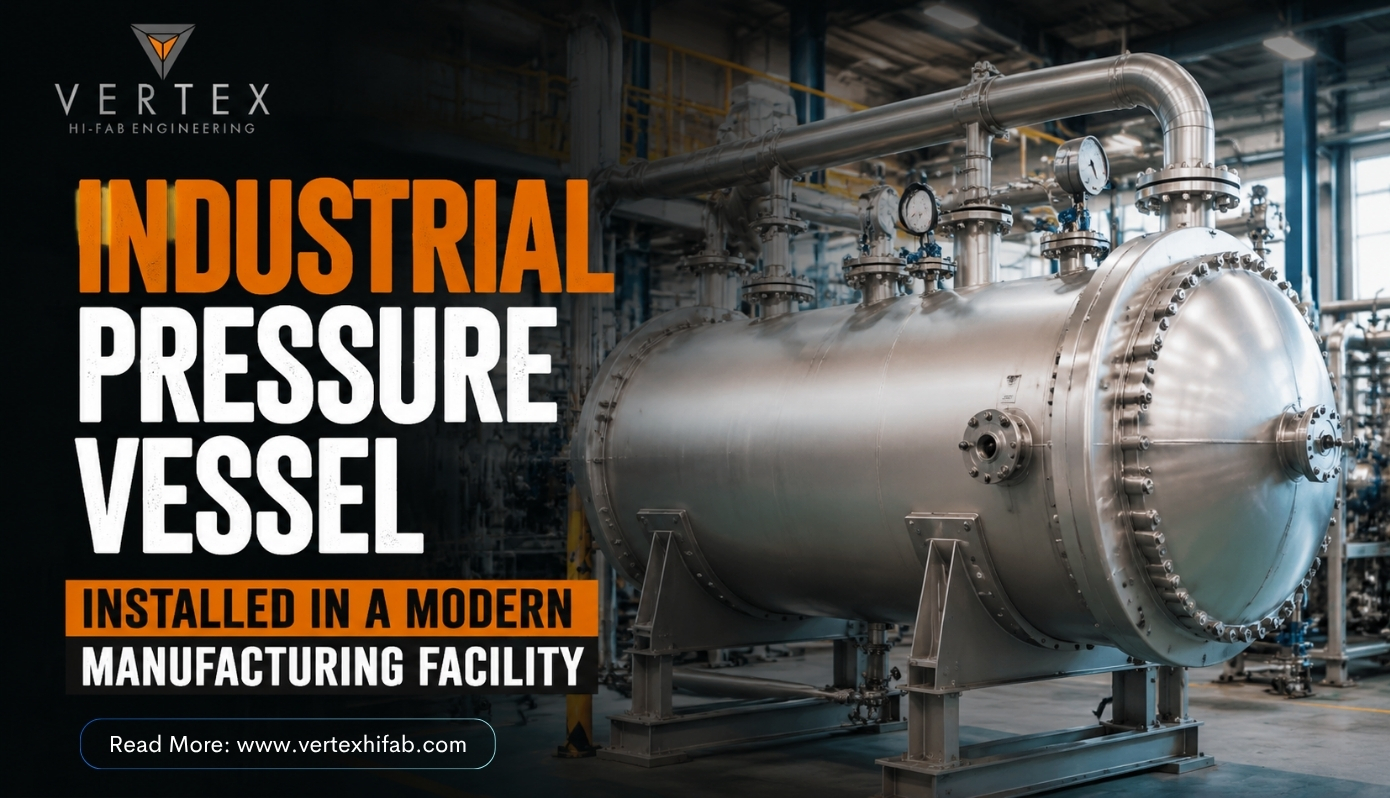
Selecting the right Pressure Vessel is one of the most important decisions for industries that rely on storing, processing, or transporting gases and liquids under pressure. Whether you operate in chemical processing, pharmaceuticals, food manufacturing, oil and gas, power generation, or water treatment, the performance of your pressure vessel directly impacts safety, productivity, and profitability.
A poorly selected pressure vessel can lead to operational inefficiencies, increased maintenance costs, compliance issues, and potential safety risks. On the other hand, a properly engineered pressure vessel enhances process reliability, reduces downtime, and supports long-term business growth.
In this guide, you will learn everything you need to know about choosing the right pressure vessel for your business needs, including design considerations, material selection, compliance requirements, and maintenance strategies.
Key Factors to Consider When Choosing a Pressure Vessel
Understand Your Process Requirements
Before selecting a Pressure Vessel, businesses should carefully evaluate their operational requirements.
Operating Pressure and Temperature
Every pressure vessel is designed to withstand specific pressure and temperature conditions.
Consider:
- Maximum operating pressure
- Design pressure requirements
- Temperature fluctuations
- Emergency operating conditions
- Future expansion needs
Selecting a vessel with inadequate ratings can compromise safety and efficiency.
Storage or Processing Application
Determine whether the pressure vessel will be used for:
- Gas storage
- Liquid storage
- Chemical processing
- Heat exchange
- Mixing operations
- Industrial manufacturing
Application-specific design ensures optimal performance.
Choose the Right Material Construction
Material selection significantly influences vessel durability and operational life.
1. Carbon Steel Pressure Vessels
Carbon steel offers:
- Cost-effective performance
- High strength
- Good pressure resistance
- Suitable for many industrial applications
These vessels are widely used across manufacturing sectors.
2. Stainless Steel Pressure Vessels
Stainless steel provides:
- Excellent corrosion resistance
- Superior hygiene standards
- Long service life
- Ideal for food, beverage, and pharmaceutical industries
While the initial investment may be higher, long-term maintenance costs are often reduced.
3. Specialized Alloy Materials
For highly corrosive or extreme environments, businesses may require:
- Duplex stainless steel
- Hastelloy
- Inconel
- Titanium alloys
These materials deliver exceptional resistance to harsh operating conditions.

Verify Industry Standards and Compliance
ASME Certification Requirements
One of the most important considerations when purchasing a Pressure Vessel is compliance with recognized industry standards.
Look for:
- ASME certification
- Quality assurance documentation
- Material traceability
- Pressure testing records
- Manufacturing certifications
Compliance ensures safety and regulatory acceptance.
Local and International Regulations
Different industries and regions may require adherence to:
- ASME Section VIII
- PED Standards
- ISO Guidelines
- Industry-specific regulations
Always verify applicable requirements before making a purchase decision.
Evaluating Pressure Vessel Design for Long-Term Performance

1. Capacity and Volume Requirements
Selecting the proper vessel size is essential for operational efficiency.
Businesses should consider:
- Current production demand
- Future expansion plans
- Available installation space
- Process flow requirements
Oversized vessels increase costs, while undersized vessels limit productivity.
2. Safety Features and Engineering Design
Modern Pressure Vessel systems incorporate numerous safety features.
These include:
- Pressure relief valves
- Safety rupture discs
- Temperature monitoring systems
- Level indicators
- Emergency shutdown mechanisms
Safety should never be compromised when selecting a pressure vessel.
3. Ease of Inspection and Maintenance
Maintenance accessibility plays a significant role in lifecycle costs.
Look for:
- Manways
- Inspection ports
- Easy-clean designs
- Replaceable components
- Simplified maintenance procedures
These features reduce downtime and maintenance expenses.
Benefits of Choosing the Right Pressure Vessel
A properly selected Pressure Vessel delivers several business advantages.
1. Enhanced Operational Efficiency
Well-designed vessels optimize process performance and reduce energy consumption.
Benefits include:
- Improved productivity
- Stable operations
- Reduced process interruptions
- Better resource utilization
2. Improved Workplace Safety
Pressure vessels designed according to industry standards significantly reduce operational risks.
This leads to:
- Fewer incidents
- Better compliance
- Improved employee confidence
- Reduced liability exposure
3. Lower Total Cost of Ownership
Quality pressure vessels provide long-term financial benefits through:
- Reduced maintenance costs
- Longer service life
- Improved efficiency
- Lower downtime expenses
4. Future Business Scalability
Selecting a vessel that accommodates future growth eliminates costly replacements and modifications.
Forward-thinking businesses often design systems with expansion in mind.

Common Mistakes Businesses Should Avoid
When selecting a Pressure Vessel, avoid these common errors:
- Choosing based solely on price
- Ignoring future production growth
- Overlooking compliance requirements
- Selecting improper materials
- Underestimating maintenance needs
- Working with inexperienced manufacturers
Making informed decisions protects your investment and ensures operational success.
Why Choosing the Right Pressure Vessel Matters for Business Success
Selecting the right Pressure Vessel is one of the most important decisions for industries that rely on storing, processing, or transporting gases and liquids under pressure. Whether you operate in chemical processing, pharmaceuticals, food manufacturing, oil and gas, power generation, or water treatment, the performance of your pressure vessel directly impacts safety, productivity, and profitability.
A poorly selected pressure vessel can lead to operational inefficiencies, increased maintenance costs, compliance issues, and potential safety risks. On the other hand, a properly engineered pressure vessel enhances process reliability, reduces downtime, and supports long-term business growth.
In this guide, you will learn everything you need to know about choosing the right pressure vessel for your business needs, including design considerations, material selection, compliance requirements, and maintenance strategies.
Frequently Asked Questions (FAQs) Of Pressure Vessel
A Pressure Vessel is a specially designed container used to store gases or liquids at pressures significantly different from atmospheric pressure. The ideal material depends on the application. Carbon steel is cost-effective, while stainless steel offers superior corrosion resistance and hygiene. ASME certification verifies that the pressure vessel meets recognized safety and manufacturing standards. No FAQ found.
A properly maintained pressure vessel can operate efficiently for 20 to 40 years or more, depending on material and operating conditions. Common industries include: Oil and Gas Inspection frequency depends on regulations and operating conditions, but regular inspections are essential for safety and compliance. No FAQ found.
Chemical Processing
Pharmaceuticals
Food and Beverage
Power Generation
Water Treatment
Conclusion: Pressure Vessel Solutions for Reliable Manufacturing
Choosing the right Pressure Vessel is a strategic decision that directly affects safety, operational efficiency, regulatory compliance, and long-term profitability. Businesses must carefully evaluate process requirements, operating conditions, material selection, engineering design, maintenance accessibility, and industry standards before investing in a pressure vessel solution.
A high-quality pressure vessel not only improves performance but also reduces downtime, lowers maintenance costs, and supports future business growth. By partnering with an experienced manufacturer, organizations can ensure reliable and safe operations for years to come.
Partner with Vertex Hi-Fab Engineering
Looking for a reliable, high-performance Pressure Vessel solution tailored to your industrial requirements?
Explore expertly engineered pressure vessels from Vertex Hi-Fab Engineering and discover solutions designed for durability, safety, and operational excellence.
Learn More: Vertex Hi-Fab Engineering Pressure Vessel Solutions
Contact the team today to discuss your project requirements and find the ideal pressure vessel for your business.